The Glory of Ghana
Your Globe Aware program is based in Ho, the capital of the Volta Region and ancestral home of the Ewe people. Known as the Oxygen City for its peaceful environment, Ho blends small-town warmth with modern conveniences. Nearby, you’ll find the Wli Waterfalls, Adaklu and Gemi Mountains, Tafi Monkey Sanctuary, and vibrant traditional villages.
Ghana thrives on its rich culture, natural beauty, and resources like gold, cocoa, and oil. Despite economic challenges, it continues to grow through innovation and tourism. The Volta Region captures Ghana’s essence, lush landscapes, welcoming communities, and enduring cultural traditions of storytelling, weaving, drumming, and dance.
Globe Aware works directly with a grassroots NGO dedicated to improving the lives of vulnerable Ghanaians, which also collaborates with local schools and communities. Their programs focus on education, women’s health, entrepreneurship, environmental sustainability, and community-driven development, all strengthened through cultural exchange.
Most of your time will be spent in smaller rural communities around Ho, where a variety of projects are implemented. While the Volta Region’s natural beauty and cultural richness are captivating, local communities still face challenges such as limited access to clean water, inadequate educational infrastructure, unpaved roads, and low digital literacy. Despite these challenges, Ghanaians are known for their hospitality and optimism.
As a common saying in West Africa goes, “If an award were given for the friendliest people in West Africa, Ghana would be a strong contender.” This region offers a meaningful opportunity to contribute while immersing yourself in authentic Ghanaian culture and warmth.
Work Project
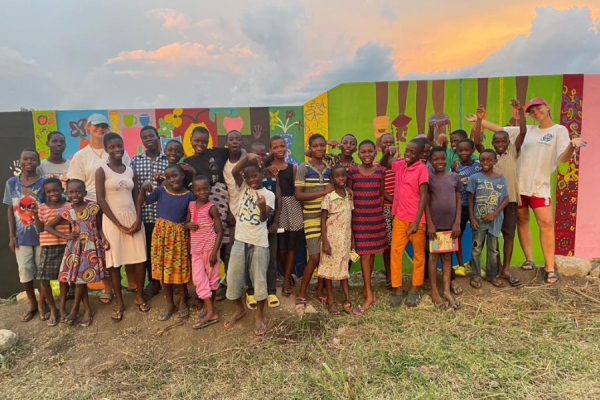
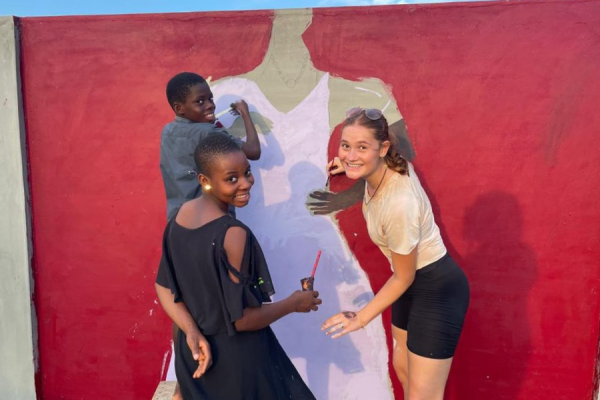
Volunteers collaborate with community-designed initiatives, gaining hands-on experience while supporting local development. Projects may include:
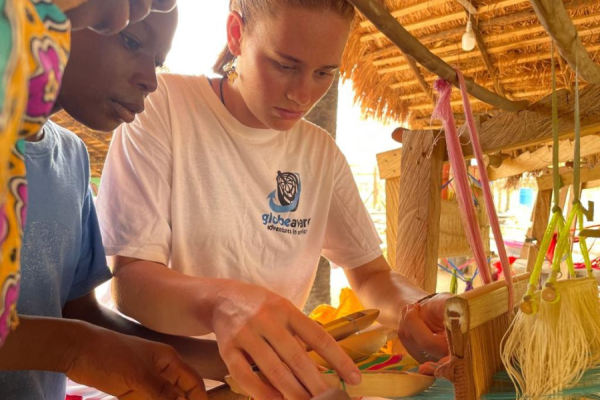
Traditional Crafts with Children
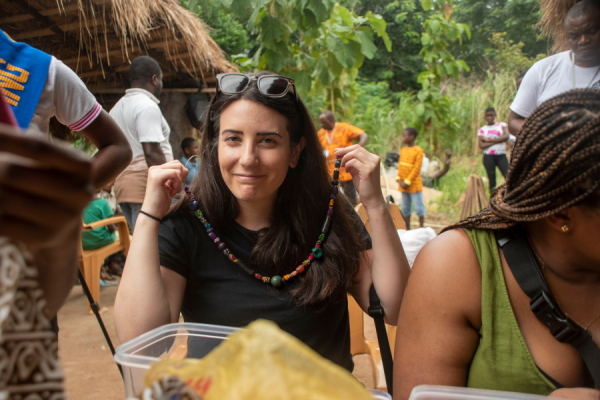
Work alongside children to create art from recycled glass, cane, calabash, clay, and fabric. Learn bead-making, Kente weaving, basket weaving, and pottery, while supporting young artisans in developing skills that sustain their livelihoods.
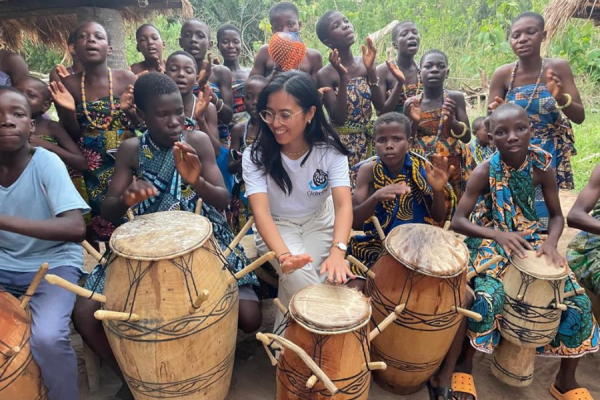
Cultural and Musical Immersion
Join local children and youth for drumming, dancing, and drum-making sessions that celebrate Ghana’s Ewe heritage. This cultural exchange fosters connection, laughter, and a deeper appreciation for traditional performing arts.
Culinary Adventures
Cook and share meals with local families, learning to prepare Ghanaian dishes like jollof rice, fufu, and groundnut soup. These sessions offer a warm and interactive way to experience community life and cultural storytelling.
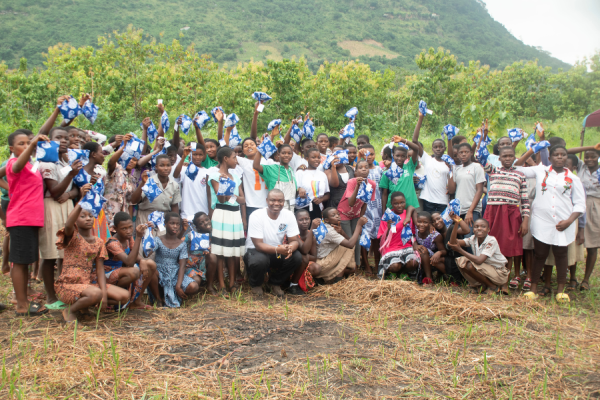
Menstrual Hygiene Education
Help educate girls in rural schools about menstrual health, breaking stigmas, and promoting dignity. Volunteers create safe spaces for open conversations, empowering girls to stay in school and build confidence.
Fishing, Fish Smoking, and Sustainable Livelihoods in Tsatoe
Assist local fisherfolk with traditional fishing methods, net mending, and discussions on sustainable practices. This hands-on experience provides insight into rural livelihoods and environmental conservation.
Projects vary depending on volunteer numbers, local priorities, weather, and available materials. Final assignments are confirmed one week before arrival and may be adjusted upon arrival. Volunteers’ contributions provide meaningful support while offering an authentic, immersive experience of Ghanaian culture.
Food and Lodging
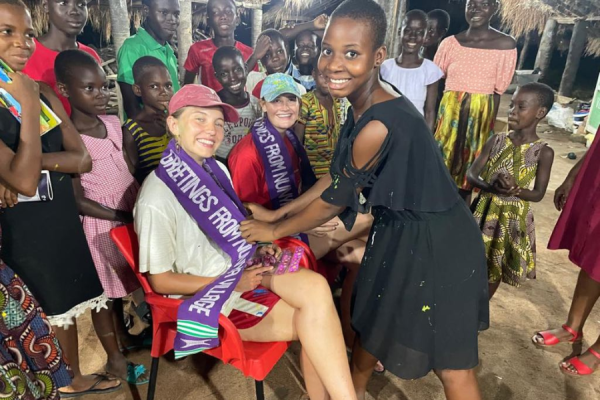
Volunteers stay together in comfortable community-based homestays. Accommodations typically include running water, showers, flushing toilets, and access to electricity. Hot water is not guaranteed, though occasionally available.
In more rural communities, scoop showers may be used. If this poses a challenge, please inform the coordinators before your arrival.
Meals feature traditional and delicious Ghanaian dishes, such as Jollof rice, grilled fish, stews, and a variety of fresh fruits and vegetables. For adventurous eaters, Banku and Fufu offer a truly local culinary experience. Bottled drinking water is always provided.
Leisure and Activities
Ghana offers a stunning mix of natural beauty, history, and culture.
In your free time, you’ll have plenty of opportunities to enjoy the region’s beauty and culture. Activities include:
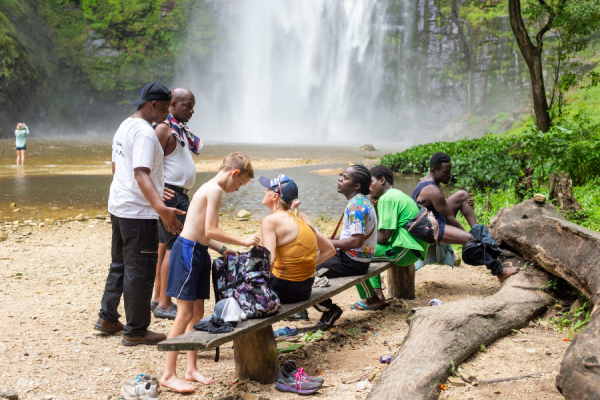
- Visiting the largest waterfall in West Africa.
- Climbing the Adaklu Mountain
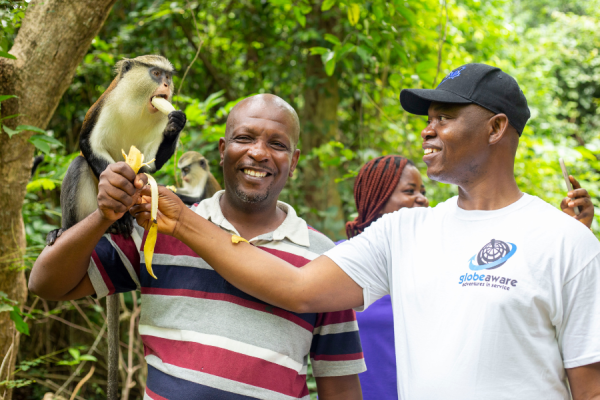
- Feeding the Mona Monkeys in their natural habitat.
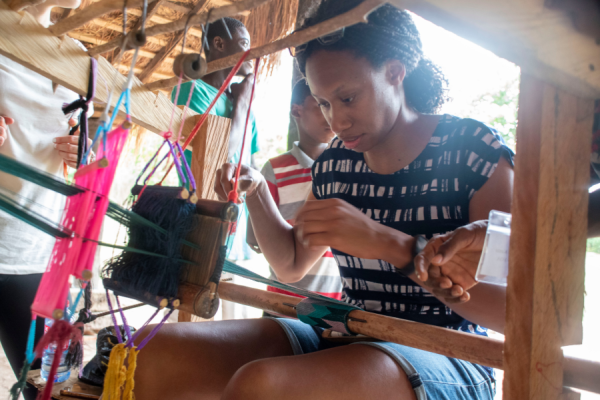
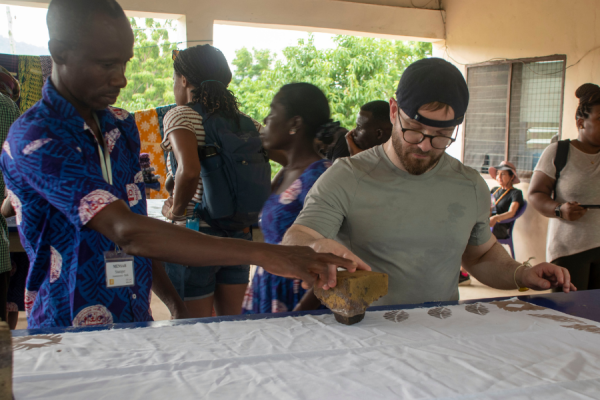
- Exploring a Kente weaving village to learn about Ghana’s famous “cloth of kings.”
- Taking African drumming and dance lessons.
- Playing football with community members and local children.
- Enjoying the stunning view from Mountain Gemi.
- Going fishing or joining in local street celebrations.
History comes alive at sites such as Cape Coast Castle and Elmina Castle, both powerful reminders of Ghana’s role in the transatlantic slave trade. In the capital, Accra, visitors can explore the Kwame Nkrumah Memorial Park, dedicated to Ghana’s first president, and Black Star Square, a national symbol of independence and pride. On the eastern coast, the Keta Lagoon and Fort Prinzenstein reveal the country’s ecological richness and colonial past, completing a journey through Ghana’s diverse and deeply moving heritage.
Arranging Your Airfare
Your adventure begins in Accra, Ghana’s capital. A Globe Aware coordinator will meet you at the Kotoka International Airport, Ghana’s main international gateway. The drive from Accra to Ho takes approximately three hours.
At the end of your volunteer week, you’ll be dropped off at the same airport. Please avoid booking return flights before 11:00 AM.
Safety and Security
Ghana is one of West Africa’s safest and most stable countries, having never experienced a war. Crime rates are very low outside major cities like Accra and Kumasi, and Ghanaians take pride in their peaceful legacy and welcoming spirit. Visitors from large or midsize cities may feel as safe or safer than at home while enjoying their time and volunteering, though standard safety precautions should always be observed. Ghana also has a proud history of supporting other African nations’ independence, reflecting its people's generosity and community spirit.
VERY IMPORTANT. A yellow fever vaccination and the accompanying yellow vaccination card signed by the office that provided the vaccine are required to enter almost all African nations.